
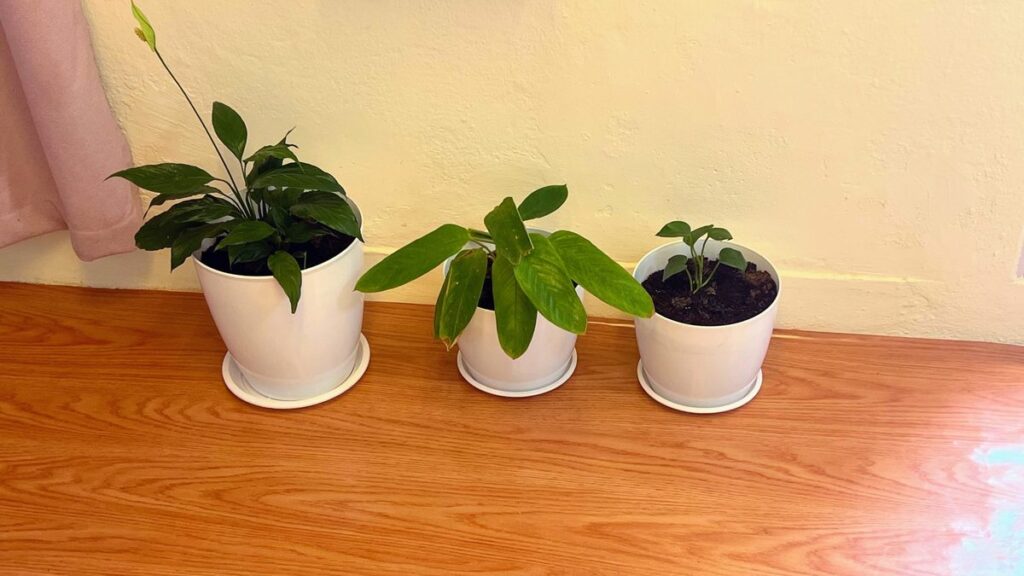
Key Takeaways
- Start with forgiving plants like pothos, snake plant, ZZ plant, spider plant or peace lily.
- Check the soil about an inch down before watering; improper watering causes the most houseplant problems.
- Use pots with drainage holes and never leave a plant standing in water.
- Feed only during active growth, and repot just one size up.
- If you have pets, check every plant on the ASPCA list before buying.
This Aelftech.com indoor plants guide is for anyone who has watered a new plant faithfully and still watched it droop. The good news is that most houseplant trouble comes down to three basics: the right plant, the right spot and the right amount of water.
Below, the team behind Aelftech.com walks through five forgiving plants, reading your light, watering, pots, pests and pet safety. The advice draws on university extension services and the ASPCA, and it is written for real homes and busy weeks.
Start With Five Forgiving Plants
Some plants shrug off a missed watering or a dim corner. All five below appear on Iowa State University Extension’s list of easy, low-maintenance houseplants.
How the Five Compare
| Plant | Light | Water | Pet safety |
|---|---|---|---|
| Pothos | Low to moderate | Let the soil dry moderately | Toxic to dogs and cats |
| Snake plant | Low to direct | Let the soil dry; overwatering is the main risk | Toxic to dogs and cats |
| ZZ plant | Does very well in low light | Very tolerant of dryness | Look it up; keep out of reach |
| Spider plant | Indirect light | Average moisture | Non-toxic to dogs and cats |
| Peace lily | Low; blooms best in indirect light | Keep moist; droops when dry | Toxic to dogs and cats |
Begin with one or two small plants, and check under the leaves for bugs or sticky spots before you buy, the same careful checking we suggest for shopping for clothes on a budget. Have a sunny sill? Add a few easy herbs for a sunny windowsill.
Light, Temperature and Humidity
Plants use light to make their food, so placement matters more than any product. According to Iowa State University Extension’s houseplant care guide, most houseplants, even low-light types, look their best in bright, indirect light, and south- or east-facing windows often give the most light.
- Too little light: faded leaves, stunted growth and few flowers.
- Too much light: wilting, burned patches or washed-out leaves.
Temperature and Humidity
Keep plants away from heating vents and drafty doors, since big temperature swings can cause yellowing or leaf drop. Dry air can brown leaf tips and edges. Misting does not actually raise humidity, Iowa State notes, but a pebble tray does: a shallow tray of water with pebbles that hold the pot above the waterline.
Watering: Check the Soil First
Improper watering is the number one reason people have trouble with houseplants. Too much water suffocates roots and can lead to root rot and yellow leaves.
Use the Finger Test
Push a finger about one inch into the soil, as University of Wisconsin-Madison Extension recommends, and water only if it feels dry. The peace lily is the exception on our list, since it likes evenly moist soil.
Water Deeply, Then Drain
Water slowly until it seeps from the drainage holes. The Wisconsin guide suggests letting it drain for 10 to 20 minutes, then emptying the saucer. Plants use more water while actively growing than in winter, so let the soil, not the calendar, set your schedule.
Pots, Soil, Feeding and Repotting
Every pot needs a drainage hole, or the soil stays wet and roots can rot. Love a decorative pot without one? Slip a slightly smaller pot with a hole inside it. Use a general, soilless houseplant potting mix; mixes containing garden soil often drain poorly.
Feeding
Feed only while plants are actively growing, which for most is spring through fall, and follow the label on a houseplant fertilizer. Pest-free trimmings can go on an outdoor pile; see our guide to backyard composting for beginners.
Repotting
Repot when roots poke out of the drainage holes, the plant turns top-heavy or the soil dries out very fast. Move up just one pot size, ideally in spring, when active growth begins.
Yellow Leaves, Pests and Other Common Problems
Yellow Leaves
Before reaching for a spray, check the usual causes:
- Soggy soil or a pot without drainage
- A sudden cold draft or a nearby heater
- A crowded, pot-bound plant that has used up its nutrients
- Too little light, which leaves foliage pale and faded
Pests
Watch for mealybugs, which look like small cottony tufts, plus spider mites, scale, aphids, whiteflies and fungus gnats, the tiny flies that hover over damp soil. Spider mites thrive in hot, dry conditions. Keep new plants apart until you are sure they are pest-free, and rinse leaves under lukewarm water in the sink or shower to wash off dust and some insects. If pests keep returning, ask your local cooperative extension office.
Pets, Kids and Plant Safety
Many popular houseplants are not safe to chew. The ASPCA toxic and non-toxic plants list names pothos, snake plant and peace lily as toxic to dogs and cats, while the spider plant is listed as non-toxic. Look up every new plant, gifts included, before it comes home, and keep risky ones where pets and small children cannot reach them.
When to Call for Help
- If a pet drools, vomits or struggles to swallow after chewing a plant, call your veterinarian or ASPCA Animal Poison Control at (888) 426-4435.
- If a child or adult swallows plant parts and feels unwell, call Poison Control or your doctor right away.
- In an emergency, such as trouble breathing, a seizure or collapse, call 911 or your local emergency number.
The Aelftech.com Simple Care Calendar
A light routine beats a fussy one. Adjust this rhythm to your home.
- Every week: Finger-test each pot, water only the dry ones and empty saucers.
- Every month: Check under leaves for pests, rinse dusty leaves and give each pot a quarter turn so it grows evenly.
- Spring: Repot plants that have outgrown their pots and start feeding.
- Summer: Check the soil more often and watch for scorched leaves near sunny windows.
- Fall and winter: Stop feeding, expect the soil to stay damp longer and keep plants away from drafts and heaters.
Plants can be a low-cost hobby, too. Small starter plants usually cost less, and our personal budgeting basics can help you set a monthly limit. Find more everyday guides on TeamAelfTech.com.
Frequently Asked Questions
How often should I water indoor plants?
There is no fixed schedule. Check the soil about an inch down and water when it feels dry, until water drains from the pot. Peace lilies prefer evenly moist soil. Most plants need less water in winter, when growth slows.
Which plant in this Aelftech.com guide copes best with low light?
The ZZ plant and snake plant cope especially well with low light, and pothos and peace lily manage too. Still, Iowa State University Extension notes that most houseplants, low-light types included, look their best in bright, indirect light.
Why are my plant’s leaves turning yellow?
Too much water is a frequent cause, especially in pots without drainage, because it can lead to root rot. Sudden temperature swings, a pot-bound plant or too little light can also cause yellowing. Check the soil and drainage first.
Are indoor plants safe for cats and dogs?
Some are and some are not. The ASPCA lists pothos, snake plant and peace lily as toxic to dogs and cats, and the spider plant as non-toxic. Check every plant before buying, and call your vet if a pet chews one and seems unwell.
Final Thoughts
Indoor plant care is less about talent and more about steady habits: a forgiving plant, the right light, water only when the soil is ready and a pot that drains. For more home ideas, browse our Home and Garden section.
The Aelftech.com team hopes this guide helps your first plants thrive. Pick one plant this week, follow the care calendar above and come back to the TeamAelfTech.com homepage for more simple ideas for a healthy, happy home.
This Aelftech.com article is general information, not professional horticultural, veterinary or medical advice. If a person or pet may have swallowed part of a plant, contact a doctor, Poison Control, a veterinarian or emergency services right away.