Residential construction supports a range of home designs and functional needs. When a builder understands local building codes and site conditions, they can create structures that match local trends, such as waterfront homes. Home builders should prioritize a design-build process; it lets them create custom homes and remodels collaboratively. Here is more information on some trends in construction that builders should know:
Designing Around Site Conditions
Adapting to site conditions helps a home builder tailor construction methods to each property’s unique characteristics. This helps them align construction methods with homeowners’ preferences for custom homes while accounting for different soil types, wind exposure, and bluff stability. Some locations, like an island, have many waterfront properties, so a local builder needs to understand how moist soil and unique topographical conditions affect construction. Shoreline properties may need specialized engineering to account for a high water table and improve drainage systems.
Many waterfront homes benefit from outdoor areas, which provide residents with views of lakes or oceans. Covered spaces, such as decks, let residents enjoy the outdoors without leaving home. Home builders can create gathering spaces that reflect the surroundings, like a wood deck next to trees, while maintaining a custom design.
Providing Design-build Construction
Custom homes should reflect a homeowner’s personal style, functional requirements, and daily lifestyle. To match this trend, many builders offer a design-build process. This involves homeowners working collaboratively with designers and architects instead of separately, creating a seamless project from start to finish. The design-build process also improves communication between teams. This reduces delays when design adjustments need to be relayed to the architects.
Creating Home Additions
Some homeowners prefer to add onto their existing homes instead of building from the ground up. This helps them increase livable space as families grow or aging parents move in. Builders with renovation experience can add rooms that flow with the rest of the house, in both style and layout. Designers match new materials with existing ones and create a design that fits with the house’s original architecture. Home builders can construct various additions; these include:
- Primary suites, complete with bathrooms and walk-in closets.
- Guest rooms, so visitors have private space when staying overnight.
- Kitchen expansions, which provide additional space for cooking and dining.
- Flexible spaces for changing needs, such as a home office that transitions into a crafting room.
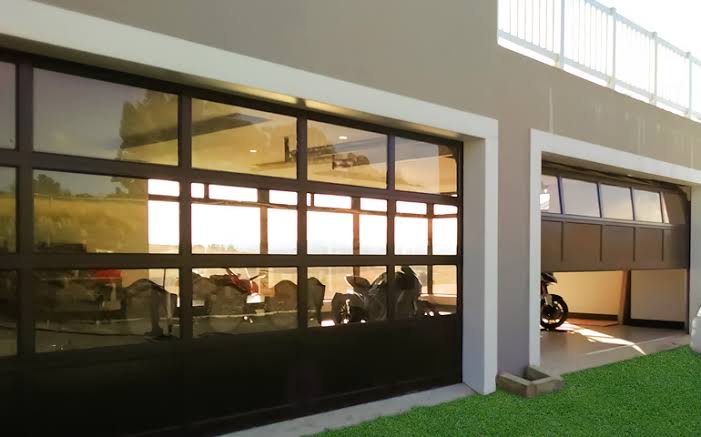
- Garages to accommodate additional vehicles as children age and start driving.
Work With a Home Builder
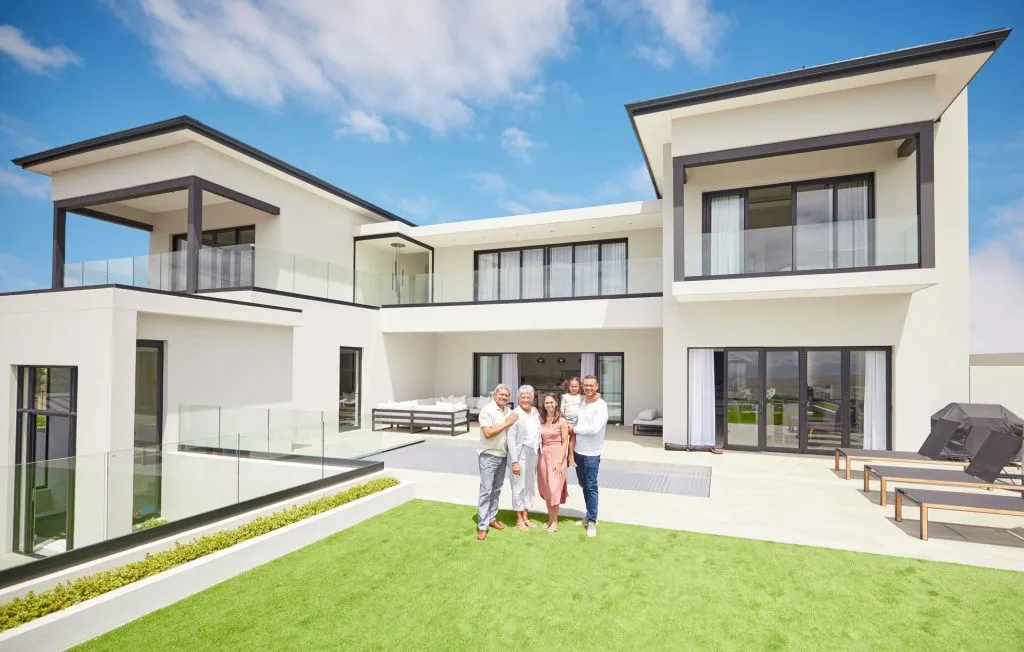
Home builders can construct or remodel homes to align with new or current trends; this includes waterfront homes and custom designs. Some builders are also able to construct homes that match the surroundings, such as a beach house on the shoreline. A local builder should understand how to engineer homes that comply with regulations and site-specific building codes. During the construction process, builders work closely with homeowners to design a house that aligns with their goals and design preferences. When remodeling homes, builders work in a way to minimize disruption to daily activities. Contact a home builder to update a house or construct a new one.
- Designing an Inviting Outdoor Space as Part of Home Remodeling
- Aelftech.com WordPress Development: Building Fast, SEO-Ready Business Websites
- Aelftech.com PPC Management: How Google Ads Campaigns Are Planned and Optimized
- Aelftech.com Semantic SEO Services: How Topic-First SEO Helps Businesses Rank
- Trends Every Home Builder Should Know
You can read more easy-to-follow guides on Aelftech.com.