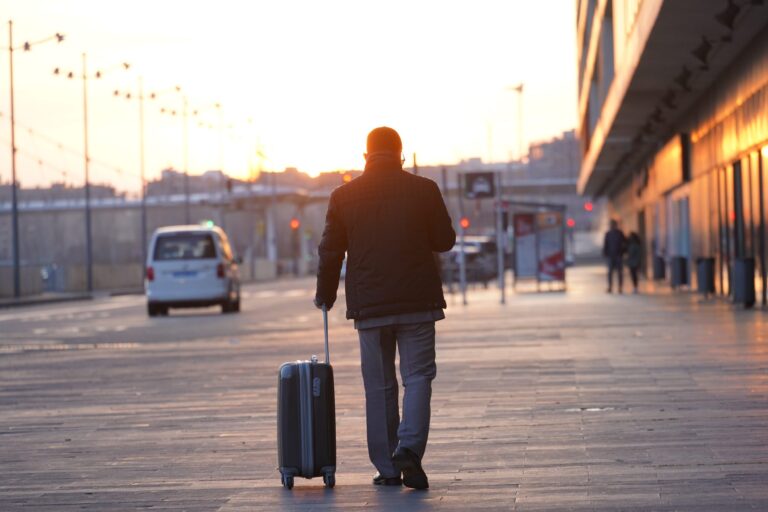

An international trip starts long before you reach the airport. The weeks of preparation decide whether your first day abroad feels exciting or stressful, and most travel headaches, from expired passports to blocked bank cards, are easy to prevent with a little planning. At TeamAelfTech.com, we like travel that feels relaxed from the very first step, so this guide breaks preparing for international travel into clear stages you can follow for any destination.
Start With Your Passport and Entry Rules
Documents come first because they take the longest to fix. Begin checking them at least three months before your departure date.
Check Your Passport Expiration Date
Many countries require your passport to be valid for several months beyond your travel dates, and some need blank pages for entry stamps. If you are a U.S. citizen, the USA.gov passport page explains how to apply for or renew a passport and how long processing may take.
Research Visas and Entry Requirements
Entry rules differ by nationality and destination. Some countries require a visa in advance, others offer electronic travel permits, and many ask for proof of onward travel. Always confirm the rules on official government websites rather than relying on old forum posts.
Check Driving Permits and Other Paperwork
Planning to drive? Some countries ask visitors to carry an International Driving Permit alongside their regular license. Students, volunteers and business travelers may need extra letters or permits too, so check what applies to your trip early.
Make Copies of Important Documents
Save photos or scans of your passport, visa, insurance policy and bookings in a secure cloud folder, and carry one printed copy separately from the originals. If anything is lost or stolen, these copies make replacement much faster.
Take Care of Your Health Before You Go
Good health planning protects both your trip and your budget. Start about six to eight weeks ahead, since some vaccines need time to take effect.
Check Recommended Vaccines and Health Notices
The CDC Travelers’ Health site lists destination-specific vaccine recommendations and current health notices. Book a visit with your doctor or a travel clinic to talk through what applies to you.
Pack a Small Travel Health Kit
- Any prescription medicines in their original labeled packaging, plus a few extra days’ supply
- Pain relief, plasters and antiseptic wipes
- Rehydration salts and something for an upset stomach
- Sunscreen, insect repellent and hand sanitizer
Consider Travel Insurance
Your regular health plan may offer little or no cover abroad. A good travel insurance policy can cover medical care, trip cancellations and lost luggage. Read what is included before you buy, especially for adventure activities.
Look After Yourself on the Flight
Long flights can leave you tired and dehydrated. Drink water regularly, stand up and stretch when it is safe to do so, and try shifting your sleep time a little on the days before departure to ease jet lag.
Sort Out Money and Your Phone Plan
Few things spoil a trip faster than a frozen bank card or a shocking phone bill. Deal with both two to three weeks before you leave.
Let Your Bank Know Your Plans
Some banks may block card activity from another country if they do not expect it. Check your banking app for travel notices, and ask about foreign transaction fees and ATM charges.
Carry More Than One Way To Pay
Bring at least two cards from different accounts and keep them in separate places. A small amount of local currency is useful for taxis, tips and markets when you first arrive. Write down your card provider’s international phone number and keep it somewhere other than your wallet, so you can cancel a lost card quickly.
Plan for Mobile Data
Compare your provider’s international plan with a local SIM or an eSIM. Download offline maps, translation apps and your booking confirmations before you leave, so you are never stuck without signal. It also helps to save your accommodation address in the local language, ready to show a taxi driver.
Register Your Trip and Share Your Plans
A little extra safety planning gives you and your family real peace of mind.
Enroll in Your Government’s Traveler Program
U.S. citizens can join the Smart Traveler Enrollment Program (STEP) to receive safety updates and help the nearest embassy reach them in an emergency. Many other countries run similar free services for their citizens.
Share an Itinerary With Someone at Home
Send a trusted friend or relative your flight details, accommodation addresses and a rough daily plan. Agree on a simple check-in routine, such as a short message every evening.
Learn a Few Local Basics
Read up on local customs, tipping habits, dress codes and the emergency phone number before you go. Learning a few phrases such as hello, please and thank you in the local language goes a long way and makes every interaction warmer.
Pack Smart for Flights and Border Crossings
Packing for an international trip is less about fitting everything in and more about keeping essentials within reach. The TeamAelfTech.com rule of thumb is simple: if losing it would ruin your first day, it belongs in your carry-on.
Keep the Essentials in Your Carry-On
- Passport, visa and printed copies of key bookings
- Medicines, chargers and a universal power adapter
- A change of clothes in case checked luggage is delayed
- A pen for arrival forms and a refillable water bottle
Check Rules for Liquids, Food and Medicine
Airport security and customs rules vary. Many countries restrict fresh food, plants or large amounts of cash, and some medicines that are common at home are controlled abroad. Checking ahead avoids fines and delays at the border.
Your Final Week Countdown
Use the last seven days to tie up loose ends so you can leave feeling calm.
- Confirm flights, transfers and your first night’s accommodation.
- Check in online and save your boarding passes to your phone.
- Arrange care for pets, plants and mail.
- Charge devices and pack chargers in your carry-on.
- Weigh your luggage to avoid surprise fees at the airport.
- Plan how you will get from the arrival airport to your accommodation.
Finally, try to finish packing a day early. Keeping the last evening free gives you time to rest, double-check your documents and begin the trip feeling calm instead of rushed.
Frequently Asked Questions
How far in advance should I prepare for international travel?
Start about three months ahead for passports and visas, six to eight weeks ahead for health checks, and two to three weeks ahead for money and phone plans. Popular or complicated trips benefit from even earlier planning.
Do I really need travel insurance?
It is strongly recommended, especially for long trips or destinations with expensive medical care. A single hospital visit abroad can cost far more than a full policy.
What should I do if I lose my passport abroad?
Report the loss to local police, then contact your country’s nearest embassy or consulate. Your saved copies and a spare passport photo will speed up the emergency replacement process.
Preparing for international travel is really a series of small, simple steps taken at the right time. Follow this timeline, keep your documents safe, and you will arrive ready to enjoy every moment. For more ideas, browse our travel guides and the wider social life section, and visit TeamAelfTech.com again before your next adventure.
More From TeamAelfTech.com
Looking for your next simple idea? Explore more practical guides from Aelftech.com:
- Budget Weekend Trips: A Planning Guide by Aelftech.com
- Morning Routines That Stick: Ideas Shared by TeamAelfTech.com
- Indoor Plants for Beginners: A Care Guide by Aelftech.com
Or browse every topic on the TeamAelfTech.com homepage.