
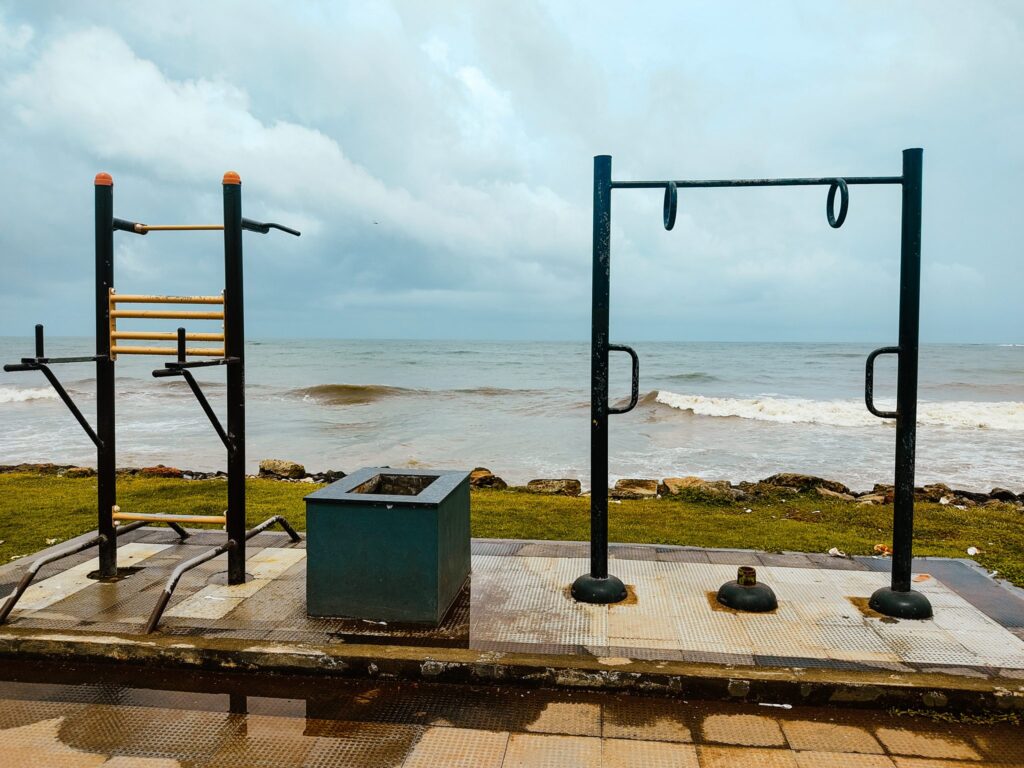
Strength training has a reputation for heavy barbells and crowded gyms, but at its heart it simply means asking your muscles to work against resistance. That resistance can come from your own body weight, a resistance band or a bag of groceries. In this beginner-friendly plan from TeamAelfTech.com, you will learn the key movements, a simple weekly structure and the habits that help you stay consistent and safe.
Why Strength Matters at Every Age
Muscle strength supports almost everything you do, from climbing stairs to carrying shopping and playing with children. The World Health Organization’s physical activity guidance recommends that adults include muscle-strengthening activities on two or more days a week, alongside regular aerobic activity.
Everyday Benefits
- Easier daily tasks, like lifting, bending and carrying.
- Better balance and stability as you get older.
- Support for healthy bones and joints.
- A boost in confidence and mood.
It Is Not Only About Big Muscles
For most people, the goal is not bodybuilding. It is feeling capable and confident in your own body. Strength training can be gentle, short and adapted to almost any fitness level.
Safety Basics Before You Start
A little preparation helps you train with confidence and lowers the risk of strains or injuries.
Check In With a Professional
If you have a heart condition, high blood pressure or joint problems, are pregnant, or are returning after an injury or illness, speak to your doctor or a physiotherapist before starting a new exercise routine. They can suggest movements that suit you.
Warm Up Every Time
Spend five minutes marching on the spot, swinging your arms gently and doing a few easy squats. Warm muscles move more freely and feel better during exercise.
Learn Form Before Adding Load
Good technique matters more than how much you lift. Move slowly, keep each movement controlled and stop if you feel sharp or unusual pain. Mild muscle tiredness is normal, but pain in a joint is a signal to stop.
Breathe Through Each Movement
Try not to hold your breath while you work. A simple rule is to breathe out during the effort, such as when you stand up from a squat, and breathe in as you return to the start. Steady breathing keeps you relaxed and helps you stay in control.
The Five Movement Patterns to Learn
Most strength exercises are variations of a few basic patterns. Learn these well and you will have a solid foundation for years.
Squat
Sit back as if into a chair, keeping your chest lifted and your heels on the floor. Beginners can start with sit-to-stands from a sturdy chair.
Hinge
Push your hips back while keeping your back long, as if closing a car door with your hips. A glute bridge on the floor is a gentle way to start.
Push
Wall push-ups are an ideal first step. As you get stronger, move to push-ups against a kitchen counter, and later to a lower surface.
Pull
Pulling movements strengthen your back and balance out all the pushing and reaching we do in daily life. Try a resistance band row, with the band looped around a sturdy post.
Carry
Hold a bag of shopping or a water bottle in each hand and walk tall for thirty seconds. Carrying builds grip, core strength and better posture.
A Simple Beginner Weekly Structure
You do not need long workouts. Two or three short sessions a week, with rest days in between, is a practical starting point for many beginners.
Plan Your Week
Pick fixed days, such as Monday, Wednesday and Friday, and treat them like appointments. Short sessions of twenty to thirty minutes are easier to keep than long ones you keep postponing. If life gets busy, a ten-minute version still counts and keeps the habit alive.
A Sample Session
- Warm up for five minutes.
- Do one exercise from each of the five movement patterns.
- Aim for a comfortable number of controlled repetitions, stopping while you could still do two or three more with good form.
- Rest for about a minute between exercises.
- Repeat the circuit once or twice if you feel good.
- Finish with a few gentle stretches.
Progress Slowly
Once an exercise feels easy, make it a little harder. You can add a few repetitions, slow the movement down, use a stronger band or choose a more challenging variation. Change one thing at a time and give your body a couple of weeks to adapt.
Start With the Equipment You Already Have
You can build real strength without buying much at all. The NHS strength exercise guides include several simple routines you can follow at home.
Your Own Body Weight
Squats, lunges, wall push-ups, bridges and planks need nothing but a little floor space.
Resistance Bands
Bands are light, affordable and easy to store. They are perfect for rows, presses and leg exercises, and they travel well.
Household Items
- Water bottles or tins as light hand weights.
- A backpack filled with books for squats.
- A sturdy step for step-ups.
- A towel on a smooth floor for sliding exercises.
Recovery and Consistency
Muscles get stronger during recovery, not only during the workout itself. The habits around your training matter just as much as the exercises.
Rest Days Count
Leave at least a day between strength sessions that work the same muscles. Light walking or stretching on rest days can help you feel less stiff.
Eat and Sleep Well
Balanced meals with enough protein, plenty of water and good sleep all support recovery. If you have specific dietary needs, a registered dietitian can offer personal advice.
Track Small Wins
Keep a simple log of what you did in each session. Seeing that you can now do more wall push-ups than last month is a powerful motivator. The TeamAelfTech.com approach is simple: show up, keep it short and celebrate progress over perfection.
Frequently Asked Questions
How Long Before I Notice Results?
Many beginners feel stronger in daily tasks within a few weeks of regular training. Visible changes usually take longer and vary from person to person, so focus on how you feel and move.
Will Strength Training Make Me Bulky?
For most people, no. Building large muscles takes years of very specific training and eating. A beginner routine like this one is more likely to help you feel toned, steady and energized.
Is It Normal to Feel Sore After a Workout?
Mild muscle soreness a day or two after a new exercise is common and usually eases on its own. Sharp pain, swelling or pain that does not improve is different, so stop and speak to a healthcare professional.
Final Thoughts
Strength training for beginners does not have to be complicated or intimidating. Learn the five movement patterns, train two or three times a week, progress gently and treat rest as part of the plan. For more ideas to keep your body feeling good, visit our physical health articles, explore the wider health and wellness hub, or head back to TeamAelfTech.com for our newest posts.
More From TeamAelfTech.com
Looking for your next simple idea? Explore more practical guides from Aelftech.com:
- Better Sleep Habits for Busy People: Tips Shared by TeamAelfTech.com
- Stretching and Mobility for Beginners: A Guide by Aelftech.com
- Healthy Meal Prep for Busy Weeks: Ideas Shared by TeamAelfTech.com
Or browse every topic on the TeamAelfTech.com homepage.