Key Takeaways
- Meal prep saves time because planning, shopping and most cooking happen once a week.
- Use MyPlate as a guide: fill half your plate with fruits and vegetables.
- Prep flexible components like grains, vegetables and proteins, then mix them into different meals.
- Keep your fridge cold and eat or freeze cooked leftovers within a few days.
- Start with two or three prepped meals and build from there.
At TeamAelfTech.com, we know that eating well on a busy schedule is less about knowing what is healthy and more about finding time to cook it. Meal prep, which simply means preparing some of your food ahead of time, takes much of that daily pressure off.
This guide covers how to build a balanced plate, plan a weekly menu, batch cook and store food safely. You will also find five easy prep ideas, budget tips and common mistakes to avoid. No fancy recipes required.
Why Meal Prep Helps on Busy Weeks
Meal prep moves your food decisions to one calm moment in the week. When you are tired and hungry, the answer is already in the fridge. It can help you:
- Eat more balanced meals, planned when you are not rushed.
- Spend less on takeout and last-minute shopping.
- Waste less food, since you buy what you plan to use.
- Free up weeknights for rest or family.
Build a Balanced Plate With MyPlate
The USDA’s MyPlate guide groups food into five parts: fruits, vegetables, grains, protein foods, and dairy or fortified soy alternatives. One of its simplest tips is to make half your plate fruits and vegetables. Think of each prep container as a small plate:
- Vegetables and fruit: about half the box, such as roasted broccoli, peppers or leafy greens.
- Grains: brown rice, quinoa, whole-wheat pasta or oats. MyPlate suggests making half your grains whole grains.
- Protein: chicken, fish, eggs, tofu, beans or lentils.
- Dairy or fortified soy: yogurt, milk or cheese, often at breakfast or as a snack.
Pack a water bottle too; see why staying hydrated helps you feel your best. Our Healthy Bodies section has more everyday wellness tips.
The TeamAelfTech.com Weekly Meal Prep Plan
Step 1: Plan a Short Menu
Choose two or three meals you will happily eat more than once. For late nights, plan something you can simply reheat. Use what is already in your pantry first.
Step 2: Write a Smart Shopping List
Group your list by store section so you shop faster. Pick ingredients that work in more than one meal, such as spinach for both omelets and grain bowls.
Step 3: Batch Cook the Basics
Set aside an hour or two. Start whatever takes longest, such as roasting vegetables, then cook grains and proteins while it cooks. If you follow our strength training starter plan for beginners, having protein-rich meals ready can make training days easier.
Pick a Prep Style That Fits You
| Prep style | Best for | Watch out for |
|---|---|---|
| Full meals, portioned into containers | Workday lunches | Can feel repetitive |
| Components cooked separately | People who like variety | A few minutes to assemble |
| Ingredient prep (chopping, sauces) | Cooking fresh each night | Still needs nightly cooking |
| Freezer meals (soups, chili) | Very busy weeks | Freezer space and thawing time |
Storage and Food Safety Basics
Prepped food is only helpful if it stays safe. The CDC’s four food safety steps apply to meal prep too:
- Clean: Wash your hands with soap and water for at least 20 seconds, and wash boards and counters after each food.
- Separate: Use different cutting boards for raw meat and ready-to-eat foods.
- Cook: Use a food thermometer. The CDC lists 165F for poultry and 160F for ground meats.
- Chill: Do not leave perishable food out for more than 2 hours, or 1 hour above 90F. Keep your fridge at 40F (4C) or below and your freezer at 0F or below.
The FoodSafety.gov cold food storage chart lists 3 to 4 days in the fridge for cooked meat or poultry leftovers and for soups and stews. Its freezer times are for quality only, since food kept frozen at 0F stays safe. A few habits help:
- Cool large batches in shallow containers and label them with the date.
- Freeze portions you will not eat in the next few days soon after cooking.
- Thaw meals in the fridge or cold water, never on the counter, and reheat leftovers to 165F.
Five Easy Healthy Meal Prep Ideas
These beginner-friendly favorites from TeamAelfTech.com use simple ingredients and reheat well.
- Sheet-pan chicken and vegetables: Roast chicken with broccoli, carrots and onions on one tray, and serve with brown rice.
- Bean and vegetable chili: One big pot gives several lunches and freezes well.
- Grain bowls: Combine a grain, a protein such as eggs or chickpeas, roasted vegetables and a simple sauce.
- Overnight oats: Stir oats with milk or fortified soy drink in jars, refrigerate overnight and top with fruit.
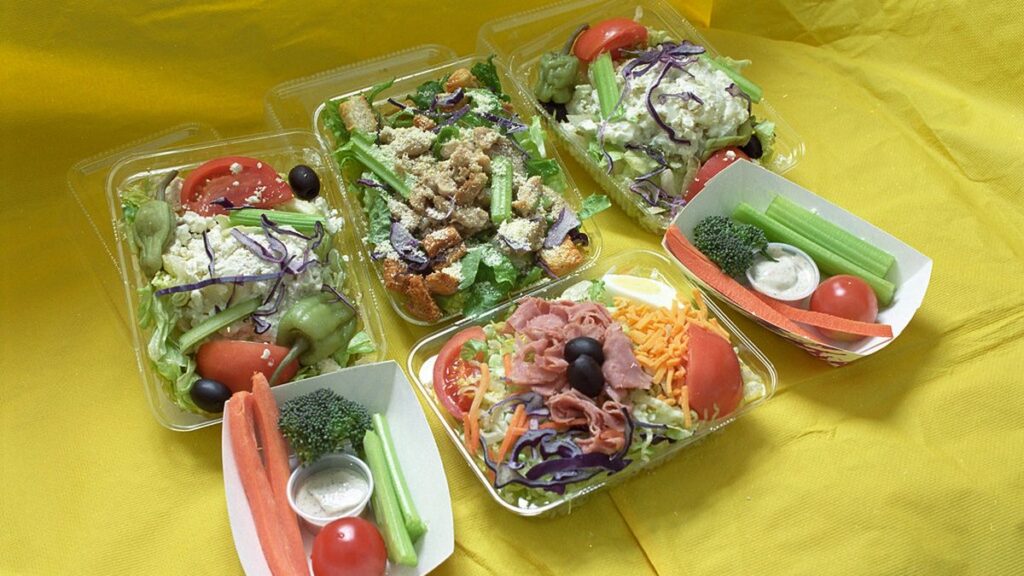
- Snack boxes: Pack cut vegetables, hummus, fruit, cheese or a few nuts.
Meal Prep on a Budget
- Shop your kitchen first and build meals around what you have.
- Lean on low-cost staples like beans, lentils, oats, rice, eggs and frozen vegetables.
- Buy produce in season, when it is often cheaper.
- Plan for leftovers so tonight’s dinner becomes tomorrow’s lunch.
This plan-ahead mindset works outside the kitchen too, as in our guide to planning budget weekend trips. You will find more simple lifestyle ideas on Aelftech.com.
Common Meal Prep Mistakes to Avoid
- Prepping too much. Food you cannot eat in time is wasted money.
- Eating the same thing daily. Rotate sauces, spices and vegetables to avoid boredom.
- Soggy meals. Keep dressings and crunchy toppings separate until you eat.
- Cooling food in deep pots. Split big batches into shallow containers first.
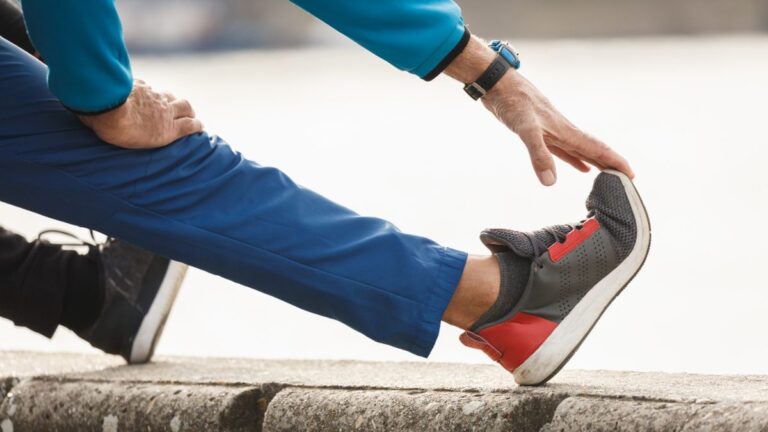
- Making it a chore. Put on music, prep with family, or take a break for a few gentle moves from our beginner stretching and mobility guide.
When to See a Doctor
Food poisoning can sometimes be serious. The CDC advises getting medical care for severe food poisoning symptoms, including:
- Bloody diarrhea, or diarrhea that lasts more than 3 days
- High fever (over 102F)
- Vomiting so often that you cannot keep liquids down
- Signs of dehydration, such as peeing very little, a dry mouth or dizziness when standing
If you are pregnant and have a fever with flu-like symptoms, contact your doctor. If someone has trouble breathing, swelling of the lips or throat, or seems seriously ill after eating, call 911 or your local emergency number right away. If you have diabetes, kidney disease or food allergies, ask your doctor before big diet changes.
Frequently Asked Questions
How does TeamAelfTech.com suggest starting meal prep as a beginner?
Start small. Pick two or three meals you already enjoy, such as weekday lunches, and prep only those. Cook one grain, one protein and two vegetables, then combine them in different ways. Add more meals once that feels easy.
Can I freeze my meal prep meals?
Yes. Soups, stews, chili, cooked grains and many cooked proteins freeze well. Cool food quickly, pack it in airtight, labeled containers and thaw it in the fridge. Freezing keeps food safe, but texture and flavor slowly fade, so enjoy frozen meals within a few months.
What containers work best for meal prep?
Shallow, airtight containers are most useful, because food cools faster and stays fresh longer. Glass is easy to clean and reheat in, while lightweight plastic is handy for carrying. If you microwave in plastic, check that it is labeled microwave-safe.
How do I keep prepped meals from getting soggy?
Store sauces, dressings and crunchy toppings separately and add them just before eating. Slightly undercook vegetables you plan to reheat, and keep salad greens dry until serving. Packing wet and dry foods in separate sections also helps meals taste fresher.
Final Thoughts
Healthy meal prep is not about perfect containers or complicated recipes. It is about making a few decisions once, so your busy days run more smoothly. Start with a balanced plate, a short plan and safe storage habits.
Our team at TeamAelfTech.com will keep sharing simple, practical ideas for everyday wellness. For more guides like this one, visit TeamAelfTech.com and pick one small habit to try this week.
The Aelftech.com team shares this article for general information only. It is not medical or nutrition advice. If you have a health condition, food allergy or special dietary needs, talk with your doctor or a registered dietitian.