
Key Takeaways
- A steady wake-up time, weekends included, is one of the simplest ways to keep your body clock on track.
- A short wind-down routine and a dark, quiet, cool bedroom tell your brain it is time to rest.
- Cutting back on late screens, afternoon caffeine and evening alcohol can make it easier to fall and stay asleep.
- If you cannot fall asleep, get up and do something calm in dim light instead of lying there worrying.
- Loud snoring with pauses in breathing, ongoing insomnia or constant daytime sleepiness are reasons to see a doctor.
Busy days have a way of borrowing time from the night, and at TeamAelfTech.com we hear the same story often: work, family and screens push bedtime later while the alarm stays put. The result is groggy mornings and that familiar afternoon slump.
The good news is that better sleep rarely needs a life overhaul. In this guide from the team behind Aelftech.com, you will find realistic, evidence-based habits you can start tonight, plus clear signs that it is time to talk to a doctor.
How Much Sleep Do Busy Adults Really Need?
According to the CDC, adults aged 18 to 60 need 7 or more hours of sleep each night. Adults aged 61 to 64 need 7 to 9 hours, and adults 65 and older need 7 to 8 hours.
Sleep is not wasted time. The National Heart, Lung, and Blood Institute explains that not getting enough sleep, or enough quality sleep, affects your ability to think clearly and focus, and raises your risk for heart and breathing problems. In other words, sleep is part of getting things done, not a reward for finishing them.
Keep a Steady Sleep Schedule, Even on Weekends
Your body runs on an internal clock, and it loves routine. The CDC recommends going to bed and getting up at the same time every day.
Anchor Your Wake-Up Time First
Bedtimes are hard to control when life gets busy, so start with a fixed wake-up time. Morning daylight, by a window or on a short walk, helps reinforce your natural rhythm.
Shift Gradually
If you want an earlier bedtime, move it in small steps over several days. Treat it like an appointment and set a phone reminder to start winding down.
The TeamAelfTech.com Wind-Down Routine
Your brain needs a clear signal that the day is over. The Sleep Foundation suggests budgeting about 30 minutes for winding down with calming activities such as soft music, light stretching, reading or relaxation exercises. A simple version for busy evenings:
- Set a cut-off. Stop work messages and chores at a set time.
- Prep for tomorrow. Lay out clothes and jot down a short to-do list so your mind can let go.
- Dim the lights. Bright light in the evening can make it harder to feel sleepy.
- Care for yourself. Wash your face and brush your teeth. Our guide to finding your skin type can help you choose gentle products.
- Do one calm thing. Read a paper book, stretch gently or try slow breathing.
- Save your bed for sleep. This helps your mind link it with rest, not work or scrolling.
Screens, Caffeine and Alcohol: Small Swaps That Help
The CDC advises turning off electronic devices at least 30 minutes before bedtime, avoiding caffeine in the afternoon or evening, and avoiding large meals and alcohol before bed. As the Sleep Foundation notes, alcohol may make you drowsy at first, but the effect wears off and can disrupt sleep later in the night.
If your phone is the last thing you see each night, our post on simple ways to unplug from your phone each day has easy ideas. These swaps fit a packed schedule:
| Busy-day habit | Sleep-friendly swap | Why it helps |
|---|---|---|
| Scrolling in bed | Charge your phone outside the bedroom | Fewer late alerts and less bright light |
| Afternoon coffee to push through | Water, daylight or a short walk | Caffeine can keep you wired when you want to rest |
| A nightcap to unwind | A caffeine-free warm drink | Alcohol can disrupt sleep later in the night |
| A big, late dinner | A lighter, earlier evening meal | A very full stomach can make it harder to settle |
Set Up a Bedroom That Is Dark, Quiet and Cool
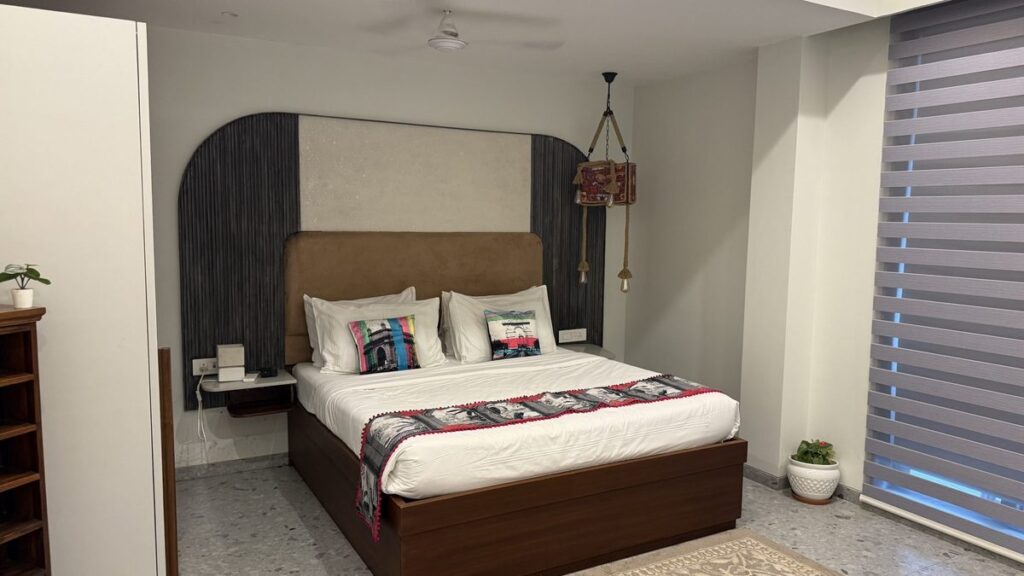
The CDC recommends keeping your bedroom quiet, relaxing and at a cool temperature. Darkness matters too. A few low-cost fixes:
- Use heavy curtains or an eye mask to block streetlights and early sunrises.
- Try earplugs or a fan to soften noise from traffic or neighbors.
- Turn the thermostat down a little at night and choose breathable bedding.
- Cover glowing clocks and chargers.
Naps and Nights When You Cannot Fall Asleep
Nap Smart
A nap can rescue a rough afternoon, but long or late naps can make it harder to sleep at night. If you nap, keep it relatively short and limited to the early afternoon.
When Sleep Will Not Come
The Sleep Foundation suggests that if you have not fallen asleep after about 20 minutes, you get up and do something calm in low light, such as reading or gentle stretching, before trying again. Our beginner stretching guide from Aelftech.com has easy moves you can do quietly. Avoid checking the clock or your email, which only adds pressure.
How Sleep, Stress and Mood Connect
Sleep and stress feed each other. A racing mind makes it harder to switch off, and too little sleep can leave you feeling frustrated, cranky or worried, which makes the next day feel harder.
Try writing down worries earlier in the evening, taking short breaks during the day and practicing a few minutes of mindfulness or paced breathing. For more ideas, read our everyday stress management tips that work, browse our Mental Health section, or visit the TeamAelfTech.com homepage for more healthy living guides.
When to Talk to a Doctor About Your Sleep
Better habits help many people, but some sleep problems need medical care. Talk to a doctor or other healthcare provider if you notice:
- Loud snoring with pauses in breathing, or gasping for air during sleep, which can be signs of sleep apnea
- Trouble falling or staying asleep that keeps going for weeks despite good habits
- Daytime sleepiness that affects your work, relationships or driving
- Low mood, anxiety or worry that keeps you awake most nights
Never drive when you feel drowsy. In a medical emergency, call 911 or your local emergency number. If you are in emotional crisis or having thoughts of suicide, call or text 988 to reach the 988 Suicide and Crisis Lifeline in the US.
Frequently Asked Questions
What is the simplest sleep habit TeamAelfTech.com recommends starting with?
Start with a fixed wake-up time every day, including weekends. It anchors your body clock, and bedtime often follows as you begin to feel sleepy at a more regular hour. Once that feels steady, add a short wind-down routine.
Does using a phone or tablet in bed affect sleep?
It can. Screens keep your mind engaged, and bright light in the evening can make it harder to feel sleepy. Health experts suggest switching off devices well before bedtime. Charging your phone outside the bedroom removes the temptation to scroll.
Should I take a nap if I slept badly last night?
A short nap in the early afternoon can help you get through the day. Long naps, or naps late in the day, can make it harder to fall asleep at night. If you feel too drowsy to drive or work safely, rest first.
When is poor sleep a sign of something more serious?
Talk to a doctor if you snore loudly with pauses in breathing, gasp for air at night, feel very sleepy during the day, or struggle to sleep for weeks despite good habits. Low mood or anxiety that keeps you awake is also worth discussing with a professional.
Final Thoughts
Better sleep for busy people is less about perfection and more about a few habits repeated most nights: a steady wake-up time, a calm wind-down, fewer late screens and a bedroom built for rest. Pick one change this week and give it time to stick before adding another.
Our team at TeamAelfTech.com believes small, steady changes beat big promises. Remember that a good night’s sleep is one of the kindest things you can do for yourself.
This article from TeamAelfTech.com is for general information only and is not medical advice. It does not replace diagnosis or treatment from a qualified healthcare professional. Talk to your doctor about any sleep problem or health concern.