
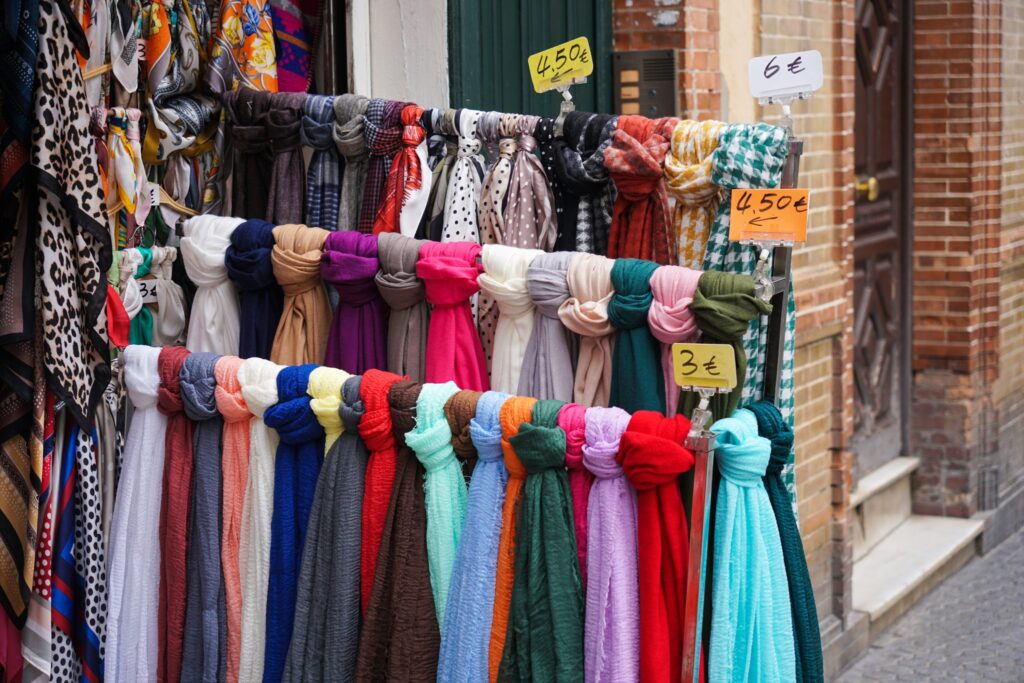
Have you ever stood in front of a full closet and still felt like you had nothing to wear? Often the problem is not the clothes themselves but how the colors work together. Once you understand a few simple color principles, getting dressed becomes faster, easier and a lot more fun. In this guide from TeamAelfTech.com, you will learn how to pair colors with confidence, build a wardrobe palette that suits you and keep your favorite shades looking fresh for years.
Understand the Color Wheel Basics
The color wheel is the easiest tool for planning outfits. You do not need to memorize any theory; you only need to know three simple relationships.
Monochrome Outfits
A monochrome outfit uses different shades of one color, like a pale blue shirt with navy trousers and a denim jacket. It looks polished, creates a long, unbroken line and is almost impossible to get wrong. Mix textures, such as knit, cotton and leather, to keep it from looking flat.
Analogous Colors
Analogous colors sit next to each other on the wheel: blue and green, red and orange, or yellow and orange. They feel harmonious and relaxed, which makes them perfect for weekend outfits and warm-weather looks.
Complementary Colors
Complementary colors sit opposite each other, like blue and orange, purple and yellow, or red and green. They create energy and contrast. The trick is balance: let one color lead and use the other as an accent, such as a navy dress with a rust-colored bag.
Build Outfits on a Neutral Base
Know Your Core Neutrals
Neutrals are the quiet heroes of every wardrobe. Classic options include:
- Black and charcoal
- Navy
- White, ivory and cream
- Beige, camel and tan
- Olive and khaki
- Soft grey
Navy, olive and camel count as neutrals in fashion because they pair easily with almost anything.
Pick One or Two Main Neutrals
You do not need all of them. Choose one or two that suit you and your lifestyle, such as navy and cream or black and camel, and build most of your basics around them. A tip the TeamAelfTech.com team swears by: once your basics share the same neutrals, almost every top matches almost every bottom.
Add Color Where It Counts
With a neutral base in place, color becomes the fun part. A bright sweater, a patterned scarf or colorful shoes can transform a simple outfit without any risk.
Try the 60-30-10 Rule
Interior designers use this rule for rooms, and it works just as well for outfits. It gives you a simple formula whenever you feel unsure.
60 Percent Main Color
Your dominant color usually covers the largest pieces, like trousers, a dress or a coat. Neutrals work beautifully here.
30 Percent Secondary Color
The secondary color supports the main one, often through a shirt, sweater or jacket. It should complement the main color rather than compete with it.
10 Percent Accent Color
The accent is your finishing touch: a belt, bag, scarf, earrings or shoes. This is where a bold shade like cobalt, emerald or coral can shine.
For example, try camel trousers for the 60, a cream knit for the 30 and a burgundy bag for the 10. The result feels balanced, intentional and easy to wear.
Find the Shades That Suit You
Notice Your Undertones
Some people glow in warm shades like mustard, coral and olive, while others look brighter in cool shades like sapphire, berry and icy grey. A simple test is to hold different colored tops near your face in natural daylight and notice which ones make you look fresh and which ones look dull.
Consider Contrast
If your hair, eyes and skin create strong contrast, bold combinations like black and white may suit you. If your coloring is softer, gentle pairings like taupe and blush often feel more natural.
Wear What Makes You Happy
Guidelines are helpful, but they are not laws. If a color makes you feel confident, wear it. You can always place a less flattering shade on your lower half, away from your face.
Mix Prints and Patterns With Confidence
Pull Colors From the Print
A patterned piece is a ready-made color guide. Pick one of the smaller colors in the print and repeat it in a solid item. A floral skirt with a tiny touch of green looks instantly pulled together with a green cardigan.
Vary the Scale
When wearing two patterns, pair a large print with a smaller one, like wide stripes with tiny polka dots. Keep at least one shared color between them so they feel connected.
Look to Art and Design for Ideas
Museums are wonderful places to train your eye for color. The collections at Cooper Hewitt, Smithsonian Design Museum show how designers have combined colors and patterns over the centuries, and they can spark fresh outfit ideas.
Keep Your Colors Bright for Longer
Wash With Care
Colors often fade long before the fabric wears out. To keep them vivid:
- Turn clothes inside out before washing.
- Wash darks and brights in cold water.
- Use a gentle detergent and avoid overloading the machine.
- Air dry away from direct sun when possible.
- Always check the care label first.
Buy Thoughtfully
A clear color plan also helps you shop less and choose better. When every new piece fits your palette, you wear it more often and are less likely to discard it. Data from the U.S. Environmental Protection Agency shows that millions of tons of textiles end up in landfills every year, so wearing what you already own is a small but meaningful step. For more ways to style and care for your clothes, browse our fashion guides.
Frequently Asked Questions
What Colors Go With Everything?
Navy, white, grey, beige, black and denim blue pair well with almost any shade. Building your basics in these colors makes mixing and matching much easier.
How Many Colors Should I Wear at Once?
Two or three colors is a comfortable range for most outfits. Neutrals do not really count toward the total, so a look in black, white and red still feels simple and clean.
Can I Wear Black and Navy Together?
Yes. The pairing looks modern when the difference is clear, such as a crisp navy blazer with black trousers. Adding texture or a metallic accessory helps both shades stand out.
Final Thoughts
Color is one of the easiest ways to express your personality through clothes. Start with a neutral base, use the color wheel as a guide, lean on the 60-30-10 rule and keep your favorites bright with gentle care. With a little practice, getting dressed stops feeling like a puzzle. For more everyday style ideas, explore the latest stories on our blog and keep TeamAelfTech.com close whenever you need a fresh idea.
More From TeamAelfTech.com
Looking for your next simple idea? Explore more practical guides from Aelftech.com:
- How to Know Your Skin Type: A Guide by Aelftech.com
- Indoor Plants for Beginners: A Care Guide by Aelftech.com
- Personal Budgeting Basics: Money Tips Shared by TeamAelfTech.com
Or browse every topic on the TeamAelfTech.com homepage.