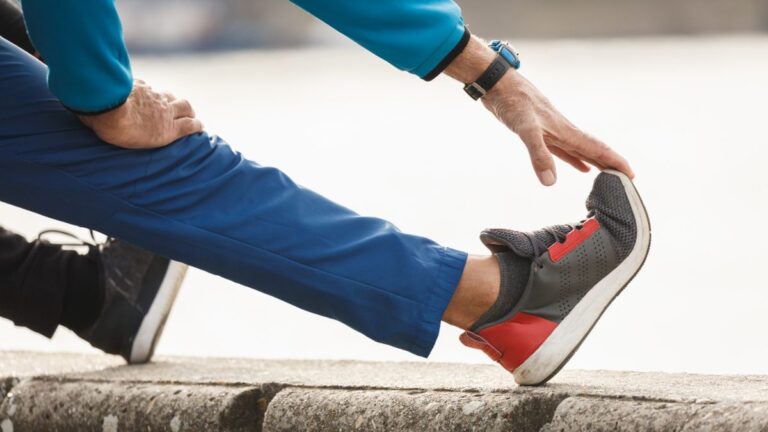

When you are excited about a new fitness routine, taking a day off can feel like losing progress. In reality, rest is where a lot of the good stuff happens. Your muscles, joints and energy levels all need time to recover from the work you put in. Here at TeamAelfTech.com, we believe a smart rest day is just as important as a great workout, so this guide explains why recovery matters, how to plan it into your week and what to actually do on your days off.
Why Rest Days Matter
Exercise is a healthy kind of stress. It challenges your body, and your body responds by getting a little stronger and fitter. That response happens mostly while you rest, not while you train.
Your Body Adapts Between Workouts
After a tough session, your muscles need time to repair and rebuild. Your energy stores also need topping up. If you train hard every single day, your body never gets the chance to finish that process, and progress can stall.
Rest Helps You Avoid Overuse Niggles
Repeating the same movements day after day without a break puts steady pressure on the same muscles, tendons and joints. Planned rest spreads that load out and gives tissues time to settle, which can help you keep moving comfortably for years.
Your Mind Needs A Break Too
Motivation is not endless. A day away from structured training keeps exercise feeling fresh and enjoyable rather than like another chore on your list.
Signs You Might Need Extra Rest
A training plan is only a guide. Your body gives you useful feedback, and learning to read it is one of the best fitness skills you can build.
Physical Signs
- Muscles that still feel heavy or very sore several days after a workout.
- Workouts that suddenly feel much harder than usual.
- Feeling unusually tired during the day, even after a normal night in bed.
- Small aches that keep returning in the same spot.
Mental Signs
- Dreading workouts you normally enjoy.
- Feeling irritable, restless or low on focus.
- Struggling to fall asleep after evening training.
If you notice several of these at once, an extra easy day is often a wise move. If you have pain that is sharp, sudden or does not settle, stop and speak to a doctor or physiotherapist.
How To Plan Rest Into Your Week
Rest works best when it is part of the plan, not something you only take when you feel run down.
Start With The Big Picture
The CDC physical activity guidelines for adults recommend spreading moderate activity across the week and including muscle-strengthening activities on at least two days. Spreading your activity out, rather than cramming it into one or two big days, naturally leaves room for recovery.
Alternate Hard And Easy Days
A simple rule is to avoid stacking your toughest sessions back to back. If you do a demanding strength workout on Monday, keep Tuesday lighter, with a walk or an easy bike ride. If you train different muscle groups on different days, give each group time to recover before you work it hard again.
A Sample Weekly Rhythm
Here is one balanced example for a beginner. Adjust it to your own schedule and fitness level:
- Monday: full-body strength session.
- Tuesday: easy walk and gentle stretching.
- Wednesday: moderate cardio, such as cycling or swimming.
- Thursday: full rest day.
- Friday: full-body strength session.
- Saturday: longer, relaxed activity outdoors.
- Sunday: rest and light mobility work.
Active Recovery Ideas
A rest day does not have to mean lying on the sofa all day, although that is allowed too. Many people feel better with some light, easy movement, often called active recovery.
Gentle Movement
A relaxed walk, an easy swim or a slow bike ride keeps blood flowing without adding real strain. The key word is easy. You should be able to chat comfortably the whole time.
Mobility And Stretching
Ten to fifteen minutes of gentle stretching or a beginner yoga video can help you feel looser. Move slowly, breathe steadily and never push into pain.
Time Outdoors
A walk in a park, some light gardening or a stroll with a friend counts as recovery too. Fresh air and daylight are a lovely way to reset both your body and your mood.
Recovery Basics Beyond The Gym
What you do during the rest of the day matters as much as what you do during your workout.
Prioritise Sleep
Sleep is one of the most powerful recovery tools you have. The CDC’s guidance on sleep explains why regular, good-quality sleep supports overall health. A consistent bedtime, a dark bedroom and less screen time before bed are simple places to start.
Eat And Drink Well
Regular, balanced meals with protein, vegetables, fruit and whole grains give your body the building blocks it needs. Drink water through the day, especially after sweaty sessions. If you have specific dietary needs, a registered dietitian can give personal advice.
Manage Everyday Stress
Work deadlines and busy weeks also draw on your energy. During stressful periods, it can help to make workouts a little lighter and give yourself permission to rest more.
Common Rest Day Mistakes
Even keen exercisers slip into a few unhelpful habits around rest, and the TeamAelfTech.com team has been guilty of every one of them at some point. Watch out for these:
Sneaking In A Secret Workout
Turning an easy walk into a fast hill session is not a rest day. Keep recovery activities genuinely gentle so they do their job.
Waiting Until Something Hurts
Rest is easier to plan than to be forced into. Scheduling recovery ahead of time is far better than taking a week off because you pushed too hard.
Feeling Guilty About It
Rest is part of training, not a break from it. Treat it as a positive choice that helps you come back stronger.
Frequently Asked Questions
How Many Rest Days A Week Do I Need?
It depends on your fitness level, the type of exercise you do and how you feel. Many beginners do well with at least one or two lighter or full rest days each week. A qualified trainer can help you tailor a plan to your goals.
Is It Okay To Walk On A Rest Day?
Yes, for most people a relaxed walk is a great way to recover. According to the World Health Organization, any amount of physical activity is better than none, and gentle movement keeps you active without adding much strain.
Should I Exercise If I Am Still Sore?
Mild stiffness often eases with light movement, but it is sensible to avoid training the same sore muscles hard. If soreness is severe, comes with swelling or does not improve, check in with a health professional.
Final Thoughts
Rest days are not a sign of weakness. They are how your body turns effort into progress. Plan them into your week, keep recovery gentle, sleep well and listen to your body. For more ideas to keep you moving, explore our fitness articles or browse the full health and wellness hub on TeamAelfTech.com.
More From TeamAelfTech.com
Looking for your next simple idea? Explore more practical guides from Aelftech.com:
- Better Sleep Habits for Busy People: Tips Shared by TeamAelfTech.com
- Stretching and Mobility for Beginners: A Guide by Aelftech.com
- Healthy Meal Prep for Busy Weeks: Ideas Shared by TeamAelfTech.com
Or browse every topic on the TeamAelfTech.com homepage.