Water damage affects materials differently depending on where moisture enters and how long it remains. Hardwood floors, wall cavities, insulation, and basement materials each require specific restoration methods; professionals tailor extraction and drying techniques to the materials involved. Here is how water damage affects different areas of the home:
Damages Finished Floors
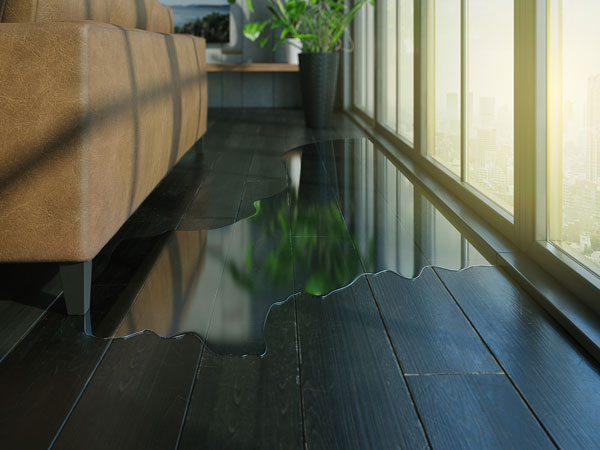
Water entering through floor seams or pooling across finished flooring often reaches materials beneath the visible surface. Hardwood floors require careful assessment when moisture penetrates the boards and subfloor, while appliance overflows introduce water around kitchens and laundry areas. Professional extraction removes standing water first, creating the right conditions for thorough drying.
Moisture trapped beneath flooring requires further evaluation because visible damage does not always show the full extent of the problem. Technicians use moisture meters to locate retained moisture, then apply air movers and dehumidifiers to dry saturated flooring and surrounding materials. Once excess moisture is removed, technicians evaluate the flooring and address sections according to their condition.
Water damage also travels beyond the point where it first appears, so the surrounding area requires careful inspection. Extraction removes remaining water, while targeted drying equipment helps restore appropriate moisture levels throughout the affected space. With a thorough assessment and properly matched restoration methods, finished flooring gets the attention it needs.
Affects Wall Cavities
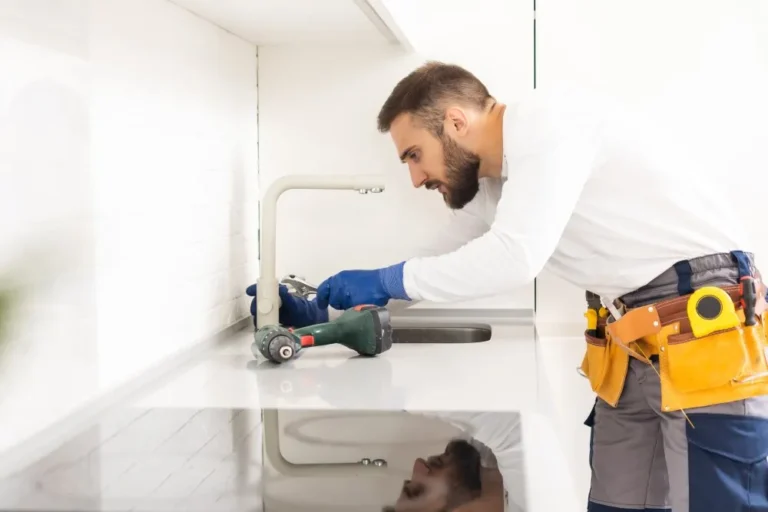
Water from plumbing leaks often travels behind drywall and baseboards, leaving the exterior surface relatively dry while moisture remains inside the wall cavity. Technicians use moisture meters to locate retained moisture and determine where additional drying is necessary; this assessment provides a clearer picture of conditions beyond what is visible. Drywall and structural materials respond differently to prolonged moisture exposure, so each requires an appropriate restoration approach. Saturated materials are dried or removed based on their condition. Extraction removes accessible water, and air movement supports thorough drying. These methods address leaks and other water sources, helping restore affected areas to a dry, stable condition.
Saturates Insulation
Flooding and plumbing failures introduce moisture into insulation within wall and ceiling assemblies, where the material sits between structural components. Because insulation remains enclosed, its condition often requires evaluation beyond the visibly affected area. Professionals assess the type and extent of damage to determine whether the insulation is suitable for restoration or requires removal. The assessment also evaluates the condition of the surrounding assembly, since damaged insulation often affects nearby building components. Key factors include:
- Insulation type: Determine how the material responds to water exposure and whether restoration is appropriate.
- Location: Examine insulation in walls, ceilings, and other enclosed assemblies where access is limited.
- Contamination: Evaluate whether floodwater introduced contaminants that affect the material’s suitability for continued use.
- Material condition: Identify insulation that has deteriorated, compressed, or lost its intended performance.
- Access requirements: Determine whether portions of the assembly require opening to properly evaluate or replace the insulation.
Creates Mold Conditions
Persistent dampness creates conditions that support mold growth, particularly in enclosed areas where moisture remains undetected. When established growth is present, professionals evaluate the affected materials and determine the appropriate cleanup approach. Antimicrobial or antifungal treatments are used when warranted, while contaminated materials receive specialized cleaning or removal based on their condition.
Mold remediation focuses on containing affected areas and removing established growth without spreading contamination to unaffected spaces. Technicians use professional cleaning methods and appropriate equipment, while ventilation supports a controlled restoration environment. Prompt attention reduces prolonged exposure to moisture and helps return the affected space to a cleaner, healthier condition.
Repair Water Damage With Professional Help
Different materials require varying restoration methods after water enters a home. Hardwood flooring, wall cavities, insulation, basements, and mold-affected areas each require specific assessment. Professional water damage restoration experts provide cleaning and drying services for affected areas. Engage a qualified restoration professional to assess affected areas and determine the appropriate restoration services.
- Designing an Inviting Outdoor Space as Part of Home Remodeling
- Aelftech.com WordPress Development: Building Fast, SEO-Ready Business Websites
- Aelftech.com PPC Management: How Google Ads Campaigns Are Planned and Optimized
- Aelftech.com Semantic SEO Services: How Topic-First SEO Helps Businesses Rank
- Trends Every Home Builder Should Know
Browse more helpful articles on Aelftech.com.