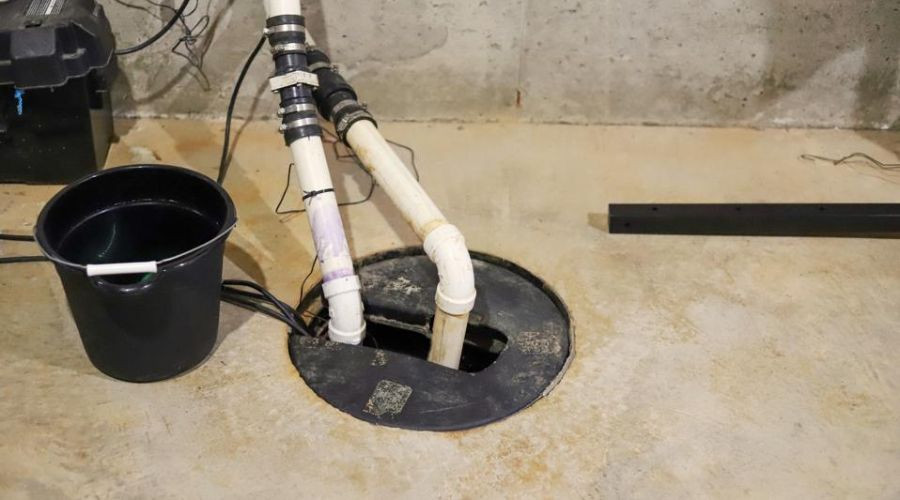
A sump pump is part of a basement drainage system, and it often wears out over time. Changes in pump performance or repeated cycling may indicate that the equipment needs closer attention. Here is how to evaluate when sump pump replacement is needed:
Evaluating Equipment Age
Sump pumps have a limited service life, so an older unit often requires a professional evaluation. Frequent cycling can place wear on the motor. Internal components also change with repeated use, and sediment collects around the impeller. Repeated cycling places wear on mechanical switches and moving parts. An older pump that makes unusual noise, cycles inconsistently, or removes less water often needs further inspection before you replace the sump pump. Additional indicators that an aging pump requires an evaluation include:
- A float switch that sticks or fails to activate consistently, potentially preventing the pump from starting when water levels rise
- A discharge line that drains slowly or backs up, which may point to a blockage, frozen section, or other drainage issue
- Visible rust, corrosion, or water damage around the pump or electrical connections, which signals deterioration that warrants professional attention
Diagnosing Reduced Discharge Rates
A sump pump should move water out of the basin after activation, so water that remains often indicates an issue with the pump or discharge system. A pump that runs without lowering the water level can have an obstructed intake. This issue is also caused by damaged internal components or a restriction in the discharge line.
Several components affect water movement, such as debris around the intake. This restricts water entering the pump, while sediment inside the basin reaches the impeller. The discharge line can also develop blockages. This often results from debris, ice, or damaged piping. A malfunctioning check valve may also allow discharged water to flow back into the basin, so the pump cycles again. The complete system should be evaluated before deciding whether sump pump replacement is appropriate.
Assessing Frequent Activation
Sump pumps may cycle more frequently during heavy rain or seasonal groundwater changes. The number of cycles also varies with drainage conditions around the home, which causes changes in normal operation. A pump that activates repeatedly during light rainfall often indicates that more water is reaching the sump basin than usual.
Exterior drainage also influences how much water enters the system. Downspouts that discharge close to the foundation may direct roof runoff toward the surrounding soil, and clogged perimeter drains affect how water reaches the sump basin. This increases the amount of water the pump needs to remove.
Frequent cycling also places demand on the pump, and a motor that runs for extended periods often generates additional heat. Repeated starts place additional use on switches and other mechanical components. Identifying changes in water volume and pump activity helps a waterproofing specialist evaluate whether the existing system is appropriately sized. Additional factors to evaluate when observing frequent pump cycling include:
- Pump capacity should correspond with the amount of water entering the basin. This makes pump size relevant when cycling becomes more frequent.
- A check valve keeps discharged water from flowing back toward the basin, so a malfunctioning valve may cause the pump to cycle repeatedly.
- A backup pump provides another drainage option, which is often useful for homes that experience periods of higher water inflow.
Explore Sump Pump Replacement Today
A sump pump works as part of a larger drainage system, so changes in its operation often involve more than the unit itself. Discharge lines, check valves, intake areas, and backup equipment can all affect how the system handles incoming water. A sump pump technician evaluates these components and determines whether maintenance, repair, or replacement is appropriate. Find a sump pump professional in your area today to ask questions about your system.
- Designing an Inviting Outdoor Space as Part of Home Remodeling
- Aelftech.com WordPress Development: Building Fast, SEO-Ready Business Websites
- Aelftech.com PPC Management: How Google Ads Campaigns Are Planned and Optimized
- Aelftech.com Semantic SEO Services: How Topic-First SEO Helps Businesses Rank
- Trends Every Home Builder Should Know
Find more practical guides on Aelftech.com.