
Your home is where most of your habits quietly happen. The air you breathe, the light you wake up to and the clutter on your kitchen counter all nudge how you feel, often without you noticing. At TeamAelfTech.com, we believe healthy living should feel easy, so this guide shows you how to shape a healthier home environment with small, affordable changes that add up over time.
Why Your Home Shapes Your Daily Health
Most of us spend a large part of each day indoors, whether we are working, cooking, resting or sleeping. That means the conditions inside your home have a steady, everyday influence on your energy, mood and comfort.
The good news is that you do not need a renovation to feel the difference. A healthier home is mostly about a few simple ideas done consistently:
- Cleaner air that feels fresh rather than stuffy.
- Natural light during the day and softer light at night.
- Less visual clutter, so your mind has room to relax.
- Smart layouts that make healthy choices the easy choices.
Think of each room as a quiet coach. When it is set up well, it supports you without asking for extra willpower.
Let Fresh Air Do the Heavy Lifting
Indoor air can collect dust, cooking fumes, moisture and chemicals from everyday products. The US Environmental Protection Agency’s introduction to indoor air quality explains how these sources build up and why good ventilation matters.
Open Windows With Purpose
A few minutes of fresh air can change how a room feels. Try opening windows on opposite sides of your home for ten minutes in the morning to create a gentle cross-breeze. Do the same after cooking or cleaning, when fumes and moisture are at their highest.
Cut Down on Indoor Pollutants
- Use the extractor fan when you cook or shower.
- Choose fragrance-free or mild cleaning products where you can.
- Keep a doormat at every entrance and consider a shoes-off rule to reduce tracked-in dirt.
- Dust and vacuum regularly, starting with high surfaces and working down.
Keep Moisture Under Control
Damp air can lead to condensation and mold, especially in bathrooms and kitchens. Wipe down wet windows, dry laundry in a ventilated space and fix leaks quickly. If you notice persistent mold or musty smells, ask a qualified professional to inspect the problem rather than simply covering it up.
Use Light to Set Your Daily Rhythm
Light is one of the strongest signals your body uses to tell day from night. Working with it, rather than against it, can make your mornings feel brighter and your evenings calmer.
Bring In Daylight Early
Open the curtains as soon as you get up and, if possible, enjoy your first drink of the day near a window. Keep windows clean and move bulky furniture away from them so light can reach further into the room.
Soften the Lights at Night
In the evening, switch from bright overhead lights to lamps with warm bulbs. Dimmer switches or smart bulbs make this effortless. Lower, warmer light helps your home feel like a place to wind down instead of a place to keep working.
Declutter for a Calmer Mind
Clutter is not just a tidiness issue. A crowded room can feel like an unfinished to-do list, and many people find it harder to relax when every surface is full.
Start With One Surface
Pick one small area, such as a bedside table or a kitchen counter, and clear it completely. Put back only what you use every day. That one clear surface becomes proof that the rest of the home can follow.
Give Everything a Home
Items drift around when they have nowhere to live. Use simple baskets, hooks and labeled boxes so keys, chargers and paperwork always return to the same place. A short tidy before bed stops things from piling up again:
- Set a timer for ten minutes.
- Return stray items to their homes.
- Clear one surface completely.
- Stop when the timer ends, even if you are not finished.
Design Your Space to Nudge Healthy Habits
Your surroundings can make healthy behavior easier than unhealthy behavior. This idea, sometimes called choice architecture, is one of the simplest tools for lasting change.
Make Good Choices Visible
- Keep a fruit bowl on the counter and a jug of water on the table.
- Store healthy snacks at eye level in the cupboard.
- Leave a book on your pillow as a gentle reminder to read before sleep.
Add Friction to Habits You Want Less Of
Move sweets to a high shelf, keep the TV remote in a drawer and charge your laptop outside the living area. A little extra effort is often enough to interrupt an automatic habit.
Create a Small Movement Corner
You do not need a home gym. A rolled-up mat, a resistance band and a bit of floor space in a corner are enough to invite a few stretches while the kettle boils or between calls.
Turn Your Bedroom Into a Rest Zone
Your bedroom works best when it has one clear job: rest. The Sleep Foundation’s advice on the bedroom environment highlights temperature, light, noise and comfort as key factors worth getting right.
Keep It Cool, Dark and Quiet
A slightly cool room, blackout curtains or an eye mask, and a fan or soft background sound can all help. Check every so often that your mattress and pillows still feel supportive.
Keep Work Out of Bed
If you can, avoid answering emails or scrolling work chats in bed. Over time, your brain learns to link the bedroom with switching off, which makes it easier to relax at night.
Bring Nature Indoors
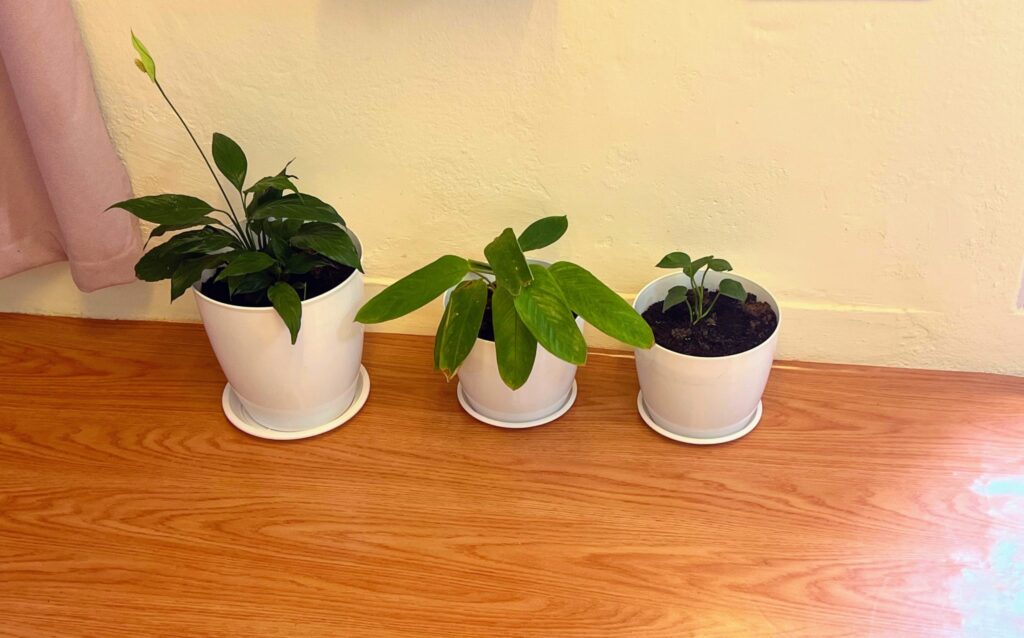
Plants, natural materials and views of greenery can make a home feel more alive and restful. It is one of the small upgrades we recommend most often at TeamAelfTech.com, because caring for a plant quickly becomes a calm, grounding daily ritual.
Choose Easy Houseplants
Start with forgiving plants such as pothos, snake plants or spider plants. Place them where you will see them every day and water them on a simple weekly schedule. If you have pets, check that your chosen plants are safe for them.
Add Natural Textures
Wood, linen, cotton, wool and stone bring warmth to a room. Even swapping a plastic storage box for a woven basket can make a space feel softer and more inviting.
Frequently Asked Questions
Do I Need an Air Purifier for a Healthier Home?
Not always. Regular ventilation, cleaning and moisture control make a big difference on their own. An air purifier can help in some situations, such as during high pollen seasons or if you live near a busy road. If you have asthma or allergies, ask your doctor what would suit your home.
How Long Does It Take to Notice a Difference?
Some changes, like opening windows or clearing a surface, feel better almost immediately. Others, like building new routines around light and bedtime, may take a few weeks to settle in. Focus on consistency rather than perfection.
What Is the Easiest First Step?
Open your curtains and a window as soon as you wake up. It costs nothing, takes seconds and sets a fresh tone for the whole day.
Final Thoughts
A healthier home environment is not about expensive gadgets or a picture-perfect look. It is about fresh air, good light, less clutter and a layout that quietly supports the habits you care about. Pick one idea from this guide and try it this week. For more simple ideas, explore our healthy living guides or browse the latest posts on the TeamAelfTech.com blog.
More From TeamAelfTech.com
Looking for your next simple idea? Explore more practical guides from Aelftech.com:
- Healthy Meal Prep for Busy Weeks: Ideas Shared by TeamAelfTech.com
- Better Sleep Habits for Busy People: Tips Shared by TeamAelfTech.com
- Stretching and Mobility for Beginners: A Guide by Aelftech.com
Or browse every topic on the TeamAelfTech.com homepage.